This guide covers everything you need to know about how to charter a yacht. From understanding the different types of charter options to navigating the check-in process without losing your security deposit. For this “How to Charter the Right (Sailing) Yacht Guide,” we’ve gathered insights from fleet operators managing 750+ yachts across Europe, the Caribbean, and Asia.
We’ll show you what to look for and how to spot the difference between an innovative approach with a digital charter guest app and paper-based operations. Also, be 100% sure with whom you want to share your cabin. We have seen breakups, fights, and a lot of drama (more on that later).
Before You Book: Understanding the Three Types of Yacht Charter
First things first: the yacht charter industry has evolved significantly in the past few years. With some operators modernizing and innovating their processes while others still rely on paper forms, which can cause rushed check-ins and intransparent operations.
When people say “yacht charter”, they’re usually not talking about the super yachts you see in the reality show called Below Deck. They are talking about one of three very different experiences that are much more affordable than renting a million dollar vessel. Let’s break down what each type means.
Bareboat Charter: You’re the Captain
A bareboat charter means you rent just the yacht itself without any crew and no captain/skipper. Therefore, you’re in complete control of the vessel. The bareboat yacht charter definition in simple terms is this: you rent the boat, you captain it, the charter company provides the boat and equipment, you provide the skills, and you will have to take full responsibility during your charter period.
You’ll need a valid sailing license like the International Certificate of Competence recognized in your charter destination and confidence in boat handling, navigation, and safety procedures. In the end, you are responsible if anything happens to your crew. For your safety, most boat charter operators won’t let you sail solo. You need at least one other crew member with sailing experience.
The beauty of a bareboat yacht charter in Greece or Croatia (or anywhere else) is complete freedom. You decide where to go, when to leave, and how long to stay in each of your desired anchorages. The challenge is that everything is on you. If the anchor drags at 2am or weather turns bad, you’re making the calls.
Sailing bareboat charter gives experienced sailors total control, while catamaran bareboat charter offers more space and stability for those who prefer comfort over traditional sailing performance.
Skippered Charter: Professional Captain Included
A skippered charter sits right in the middle. You get a professional local captain (or, correctly said, “skipper”) who handles sailing and navigation. You can participate as much or as little as you want. Some charter guests take the helm under the skipper’s guidance, others just relax while the skipper does everything.
The skipper has their own cabin, and you cover meals plus a tip at the end, typically €150-€250 per day plus a 10-15% tip. This option works perfectly for people with some sailing interest but limited experience or experienced sailors who just want to relax and let someone else handle the work and hand over responsibility.
Crewed sailing holidays in Croatia, Greece, Asia, or the Caribbean take this concept further with additional crew members handling all aspects of your trip. You get local knowledge of the best anchorages, safety monitoring, and someone to handle boat systems and cravings in case you don´t even want to cook during your time as a first time yacht charter guest.
Fully Crewed Charter: Complete Luxury Service
A fully crewed charter means you rent the yacht with a professional crew that handles absolutely everything. At minimum that’s a skipper and chef or hostess. On larger yachts or super yachts, it’s a full team handling sailing, cooking, cleaning, and service, as well as on-site yacht charter maintenance.
Crewed catamaran charters are particularly popular because catamarans offer space for crew quarters separate from guest areas, giving everyone privacy while maintaining full service. The crew arranges all provisioning, plans your itinerary with local expertise, prepares meals to your preferences, and handles every detail.
This is the most luxurious option, with crew fees adding €300-€600+ per day depending on yacht size, plus you’re expected to tip 10-20% of the total charter fee. It’s perfect for special occasions like a honeymoon on a charter yacht, family vacations on a catamaran, or anyone who wants to be pampered without thinking about cooking, cleaning, or sailing a bareboat charter.
How Do You Charter a Yacht in 2026: The Booking Process Explained
Now that you understand the different charter types, let’s walk you through how you can actually book your dream boat and what happens between deciding to book yacht charter holidays online and stepping aboard your (sailing) boat.
Decide Your Destination and Timeline
Your destination impacts everything from available boat types, monohull vs. catamaran, to weather windows and costs. Mediterranean sailing destinations like Croatia and Greece peak in June through August, with the best value in shoulder seasons.
Caribbean yachting destinations like the BVI peak December through April when Mediterranean boats are out of season. Think about other yacht charter destinations like Türkiye, Italy, or France. There are also some more adventurous sailing areas for charter in Norway, England, or the north of France.
Choose Your Boat Type and Size
Catamaran bareboat charter has exploded in popularity because catamarans from companies like Bavaria, Bali, or Beneteau offer space, stability that reduces seasickness, and that wonderful feeling of having your own floating platform. Particularly popular destinations for first time charters are in the BVI, Croatia, Greece, and Türkiye, where distances are short and anchorages shallow.
Sailing a bareboat charter on a monohull gives you traditional sailing performance with better upwind ability and typically lower costs than comparable catamarans. According to the MMK Charter season report, they have been the top choice during the 2025 season, and numbers for 2026 seem to support that claim as well.
Count your crew, and remember each couple typically wants their own cabin. If you’re hiring a skipper, this person will need a cabin too. Most charter yachts range from 3 to 5 cabins, sleeping 6 to 10 people. Decide if you want a catamaran or a monohull and don’t cram too many people in, as even on bigger charter boats, space is limited and can get uncomfortable fast if you do not plan correctly.
Book Through the Right Operator
You can book directly with boat owners, through charter companies managing fleets, or via booking platforms aggregating many charter operators. What matters most is finding a charter fleet operator with clear, transparent pricing, good reviews, modern operational systems, and responsive communication.
Some operators have modernized their operations with digital fleet management systems that track maintenance systematically, provide guests with boat manuals before arrival, and handle check-in digitally. Others still run everything on paper and memory. The difference becomes very visible on check-in day or when it’s about your yacht charter deposit.
The Check-In Process: What Actually Happens
This is where all the theory we talked about actually meets reality. If you have followed all the tips and tricks from our yacht charter guide, you have nothing to worry about. But at the moment you are reading this, it’s still some time before you check in. So, what happens while checking in on a charter yacht in Croatia, Greece, or any other part of the world. The process is very similar everywhere, but there are two different approaches since just a few years.
The biggest innovation that just evolved over the last three years is a new online or digital check-in through a dedicated charter guest app. More and more fleet operators are switching to a digital yacht charter check-in over a paper based one. Let’s go through the main differences now.
Paper-Based Check-In Process
Traditional check-in starts with 30-45 minutes in the office handling contracts, payments, and deposits, then 45-60 minutes of boat walk-through where staff verbally explain how to operate everything from the engine to safety equipment.
Here, you and a base technician inspect the boat together, checking systems and documenting any existing damage, which should take another 60 minutes if you’re thorough, as once you take over the boat, any new damage found is your responsibility.
Often, a base has a limited number of staff that can support you during this time. As most charter companies handle check-ins on a Saturday, you won’t be the only guest arriving on that day. That is why a paper-based process can often feel rushed and less personal.
The whole process takes 2-3 hours and involves a lot of information at once. You will get verbal instructions on operating a complex machine and are expected to remember it all. From our experience handling and observing charter operations, most people forget 80% of what they’re told within an hour.
This again creates problems later when you can’t remember where a specific switch is located or how to troubleshoot the anchor windlass. In the end, you will have to call the base again and again. A common risk for miscommunication that leads into extra support costs charged after the charter.
Digital Check-In Process Using Floatist
Modern yacht charter operators let you complete your paperwork online before arriving and review boat manuals with photos and videos in your language and at your own pace. When you arrive, office work takes 15-20 minutes instead of 45, the boat walk-through focuses on specific quirks instead of basic operation you’ve already learned, and you document boat condition through an app with photos and automatic timestamping. Your deposit will thank you for it, and so will your blood pressure.
During your yacht charter holiday, you have offline access to all boat manuals on your phone. During your check-out, the timestamped photos eliminate deposit disputes because the condition of the vessel you rented is clearly documented. Total time for digital check-in after arriving at the marina is down to 60-90 minutes instead of 2-3 hours.
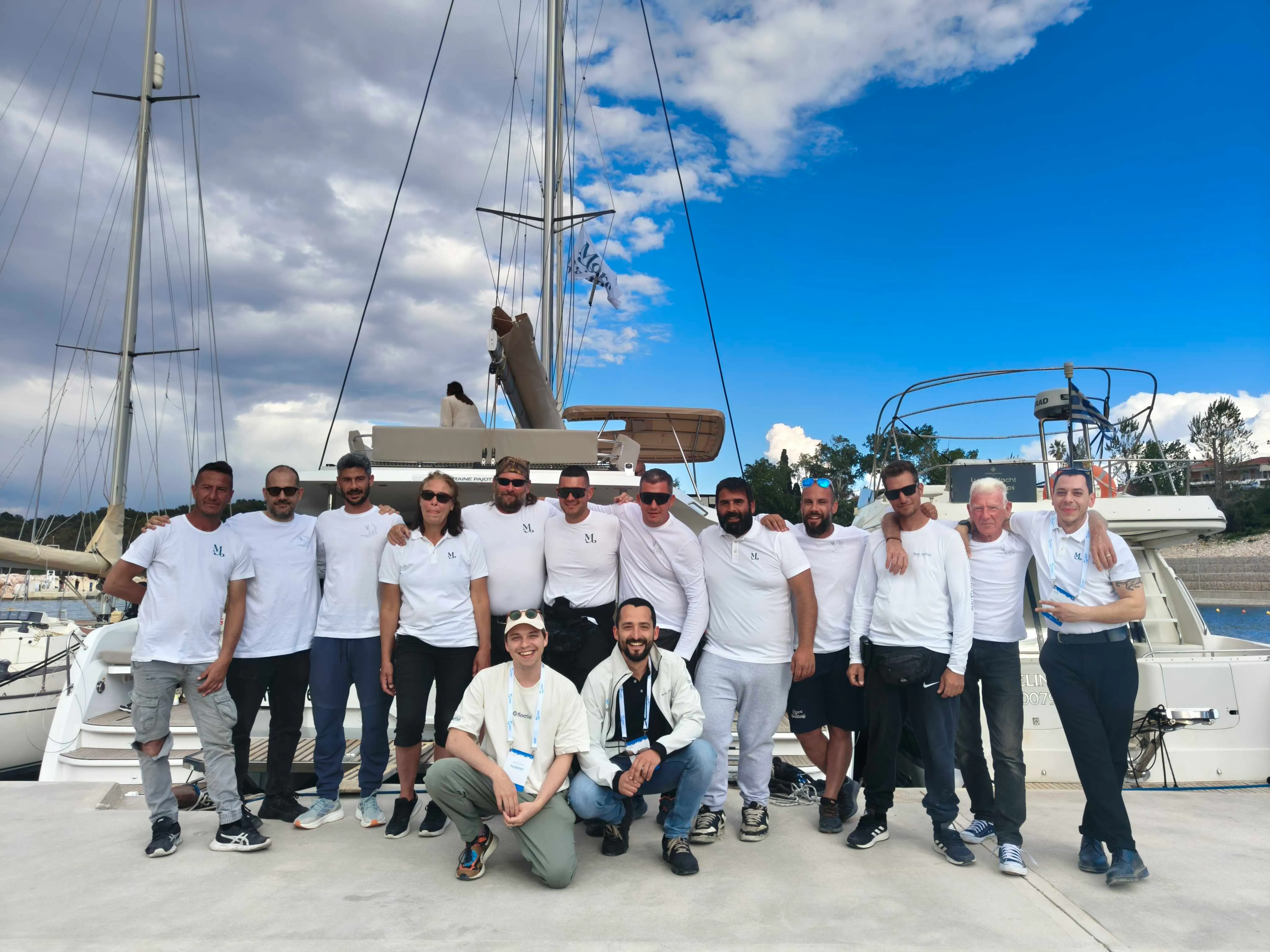
Another benefit is that technicians now save a lot of time and have the opportunity to provide you with a better overview and tips of the local area. One great example is Most Sailing, a fleet operator in Turkey. They are running on Floatist and are able to offer a more personalized experience using digital charter management software. A great choice for first-time charter guests and experienced skippers alike. Feel free to check them out and tell them Floatist says hello.
Common Yacht Charter Mistakes and How to Avoid Them
Knowing how to charter a yacht is one thing, but knowing what not to do is just as important. Feel free to read our article on what we bring when going sailing to avoid overpacking. That’s why we’ll now cover the most common and costly mistakes charterers make. In the end, learning from someone else’s bad experience is better than paying for your own. Let’s dive into what you better avoid so you don’t have to dive for your luggage. Remember these yacht charter tips so your holidays don’t become an expensive lesson.
Mistake 1: Choosing a Charter Boat Based Only on Photos
We know and have been there ourselves. It’s easy to fall in love with interior photos without thinking about your group’s actual needs, then realizing too many people are in too few cabins or the boat doesn’t match your experience level. To avoid this, think about how many private cabins you actually need, what your group’s sailing experience is and expectations are.
Make sure what amenities are relevant for your destination before getting seduced by beautiful marketing photos. Do not treat booking a yacht charter holiday like your favorite dating app.
Charter operators can guide you toward appropriate boats if you’re honest about your group size, experience, and priorities.
Mistake 2: Not Asking About Operational Standards
You might assume all charter companies operate professionally, then discover they definitely missed an important fix or they’re impossible to reach. Before booking a charter holiday, make sure you know your charter company cares about boat maintenance, their check-in processes, and whether you can get all your boat’s information before arriving in chaos.
Operators using modern fleet management software instead of spreadsheets tend to run more organized operations overall. Booking platforms like Tubber display operational badges like the Floatist Badge, indicating the use of premium charter boats and systems.
Mistake 3: Not Thinking Carefully About Who Else You Want on Board
A yacht charter holiday with your besties or beloved ones can sound like a dream come true. However, make sure to understand that renting a yacht or catamaran is different from a hotel.
First of all, space is limited, and it’s harder to physically get away from drama or go for a walk when things go sideways. We have heard about breakups, long-time friendships ending, and other things that would need an NDA to be signed.
Having all that said, chartering a boat with your friends is one of the best experiences you can have. Just make sure you set some rules on privacy before boarding and solve any conflict before getting on board.
Everyone reacts differently to stress. That’s why it matters that you know exactly how to charter a boat for your holidays, what to avoid when renting a boat online, and what to look out for when choosing the right charter yacht.
If you follow all the tips and tricks to chartering a vessel, we talked about in this guide, you can be sure your holiday is about to start relaxed, without any worries, and your deposit is safe.
Mistake 4: Not Getting Charter Insurance
Do we really have to get into why getting insurance for charter boats is important? I hope not. Make sure you check out the differences in yacht charter insurance and choose the provider that fits you best. Important insurances to consider are:
- Yacht Third Party Liability Insurance
- Captain/Skipper Liability Insurance
- Charter Deposit Insurance
- Yacht Personal Accident Insurance
- Charter Insurance
We know nobody wants to think about insurance until they’re standing in the marina explaining how the dinghy ended up on the rocks. It’s important, get it.
Final Thoughts: How to Charter a Boat
The boat charter industry is evolving, with some yacht charter fleet operators modernizing their systems for charter guests while others still rely on paper forms and verbal briefings. You benefit by choosing operators who’ve invested in organized, systematic operations. Not because technology is inherently better but because it creates smoother experiences with less wasted time and better protection for your deposit.
Charter guests increasingly expect digital check-in, transparent operations, and documented maintenance to make sure their holiday runs smoothly. Smart charter guests know how to charter a boat with digital check-in. Ask about operational standards before booking.
Whether it’s your first charter or your tenth. Choose fleet operators with strong operational practices, do thorough research before booking, take the check-in inspection seriously, and don’t be afraid to ask detailed questions or about insurance. The operators who value your business will answer them confidently. The ones who won’t, probably aren’t worth your time or money.